
Resources Search
Please enter your search term below or click one of the topic tags to view all resources on that topic.
Browse by topic
Agriculture (43 resources)Biodiversity (48 resources)Biosecurity (17 resources)Birds (13 resources)Bushfire (12 resources)Community (55 resources)Drought and Climate (11 resources)Grants and Funding (12 resources)Habitat Restoration (18 resources)Koalas (3 resources)Landcare Projects (44 resources)Landholder Resources (70 resources)Landscape Rehydration (3 resources)Native Plants (22 resources)Pest Animals (21 resources)Pollinators (3 resources)Regenerative Agriculture (16 resources)Revegetation (13 resources)Soil Health (20 resources)Water Management (14 resources)Weeds (9 resources)Wildlife (25 resources)
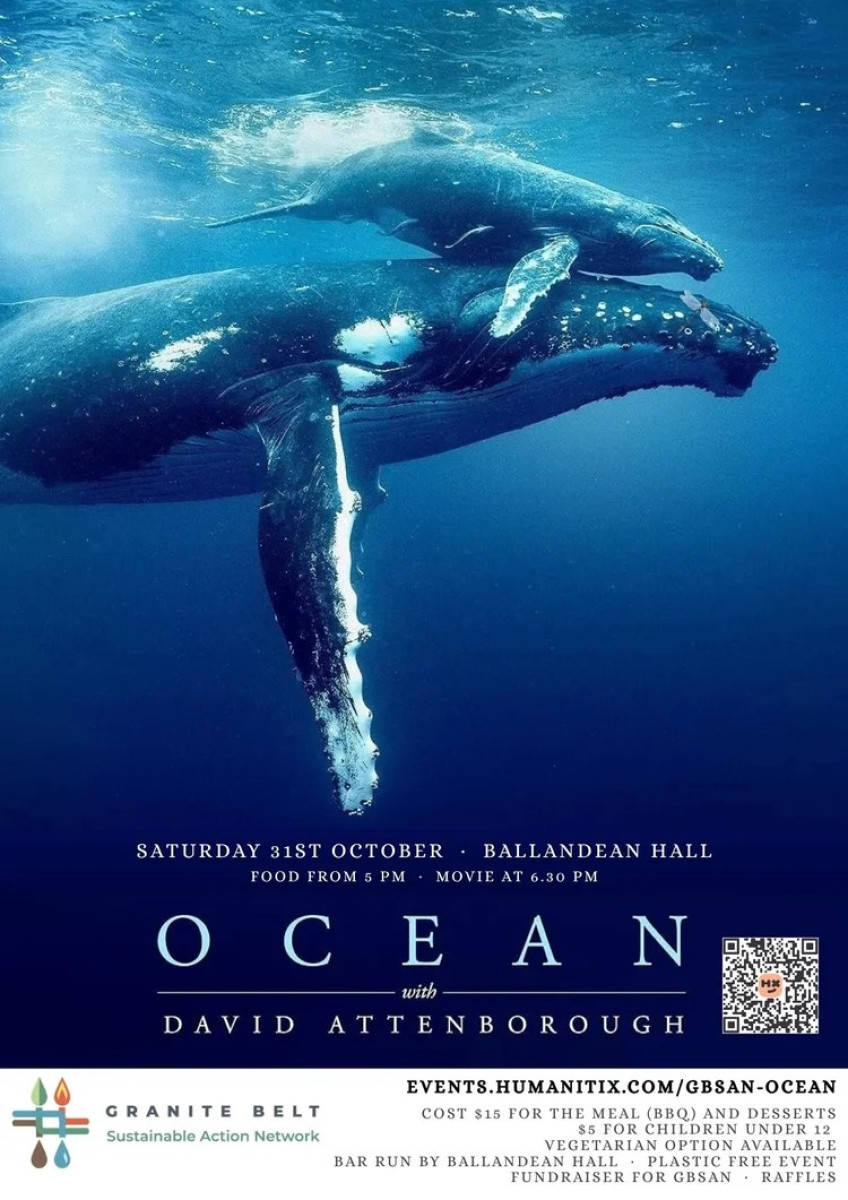
David Attenborough's - Ocean / A Film Screening
31st October 2026
FUNDRAISER - Granite Belt Sustainable Action Network (GBSAN)
When: Saturday, 31 October 2026 (6pm - 9.30pm) #
Where: Ballandean Hall, 28202 New England Hwy, Ballandean QLD
Cost: $15 per adult ($5 per child under 12 years) - INCLUDES the meal (BBQ) & dessert
# Food available from 5 ... read more
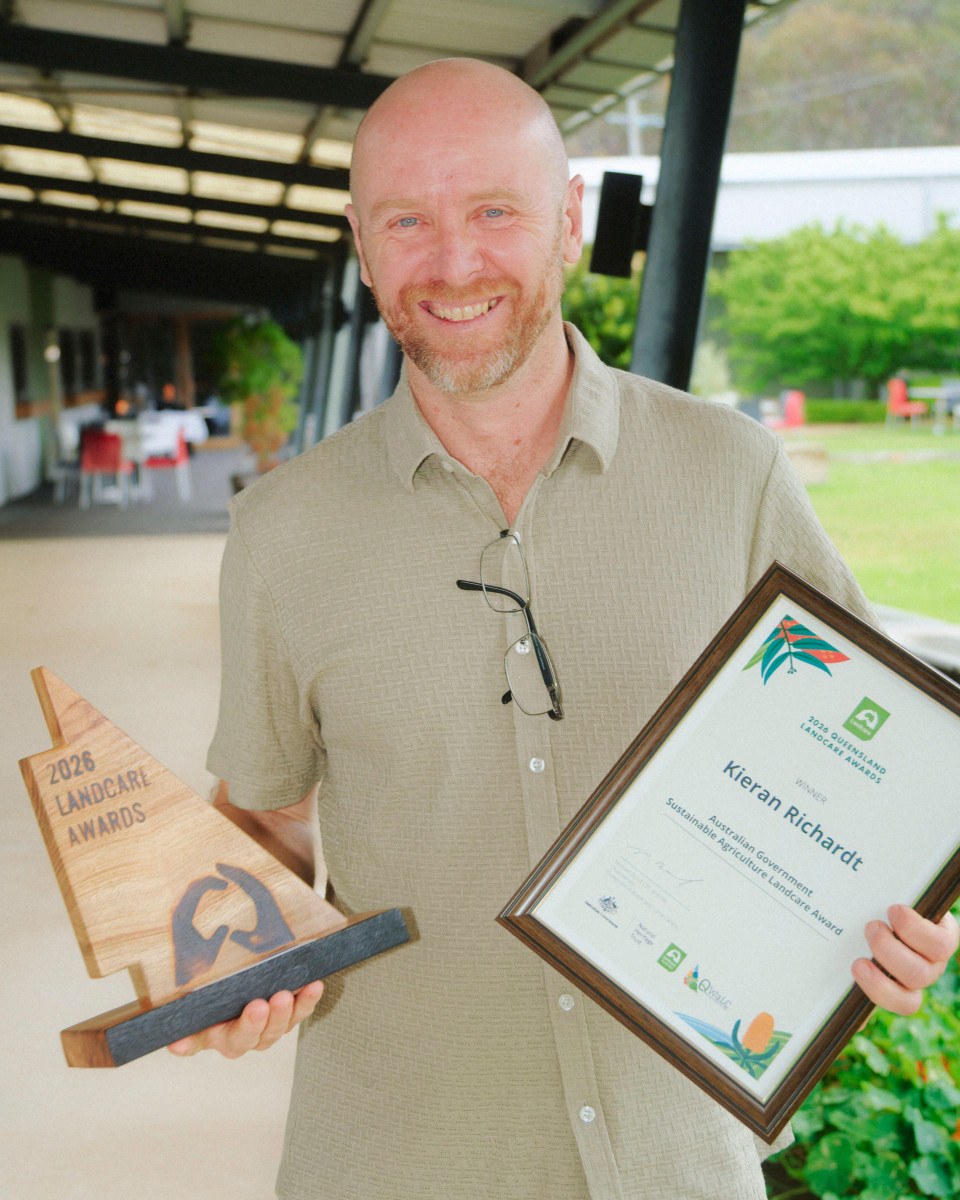
Winner announced - Queensland Landcare Awards 2026
10th October 2026
Kieran Richardt - WINNER of the QLD 2026 Australian Govt. Sustainable Agriculture Landcare Award
Amiens orchard journey brings Queensland Landcare recognition
Early picking seasons at Messines Farm meant sleeping in a swag, harvesting fruit into trailers and taking the crop to the Gold Coast to se ... read more
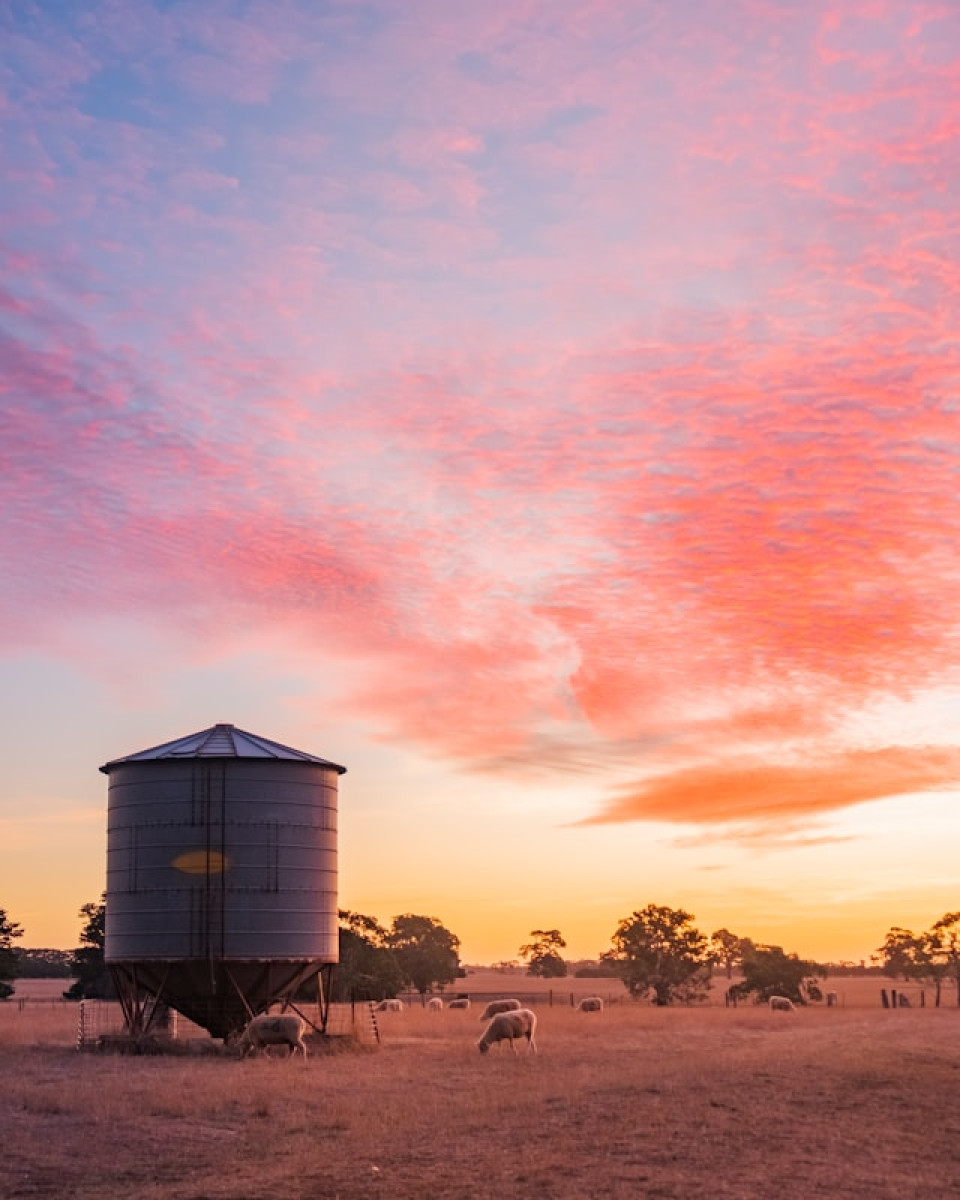
Graeme Sait to Deliver 4-day Nutrition Farming Workshop in Guyra.
15th September 2026
Guyra Landcare Network is pleased to announce that Graeme Sait, an internationally recognised educator in soil health, plant nutrition and regenerative farming, will deliver a 4-day workshop in Guyra from the 15th to 18th of September 2026.
“We are delighted to welcome Graeme back t ... read more
Future-Ready Farm Dams - Southern New England Landcare
11th August 2026
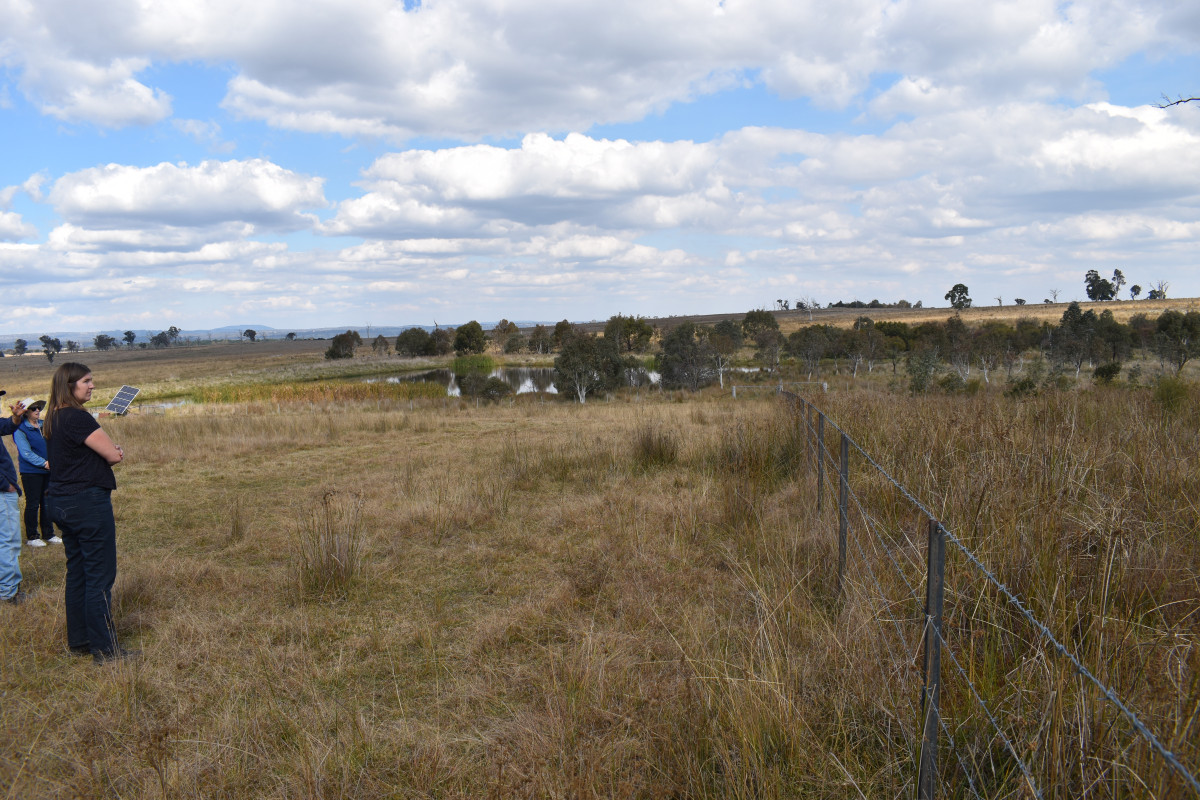
Southern New England Landcare has launched Revive & Thrive: Future-Ready Farm Dams, a new project helping landholders improve farm dam health, water quality, biodiversity, livestock outcomes and drought preparedness.
Running for the next 12 months; the project includes practical workshops, farm ... read more
Rehydrating and Restoring the Landscape
25th May 2026
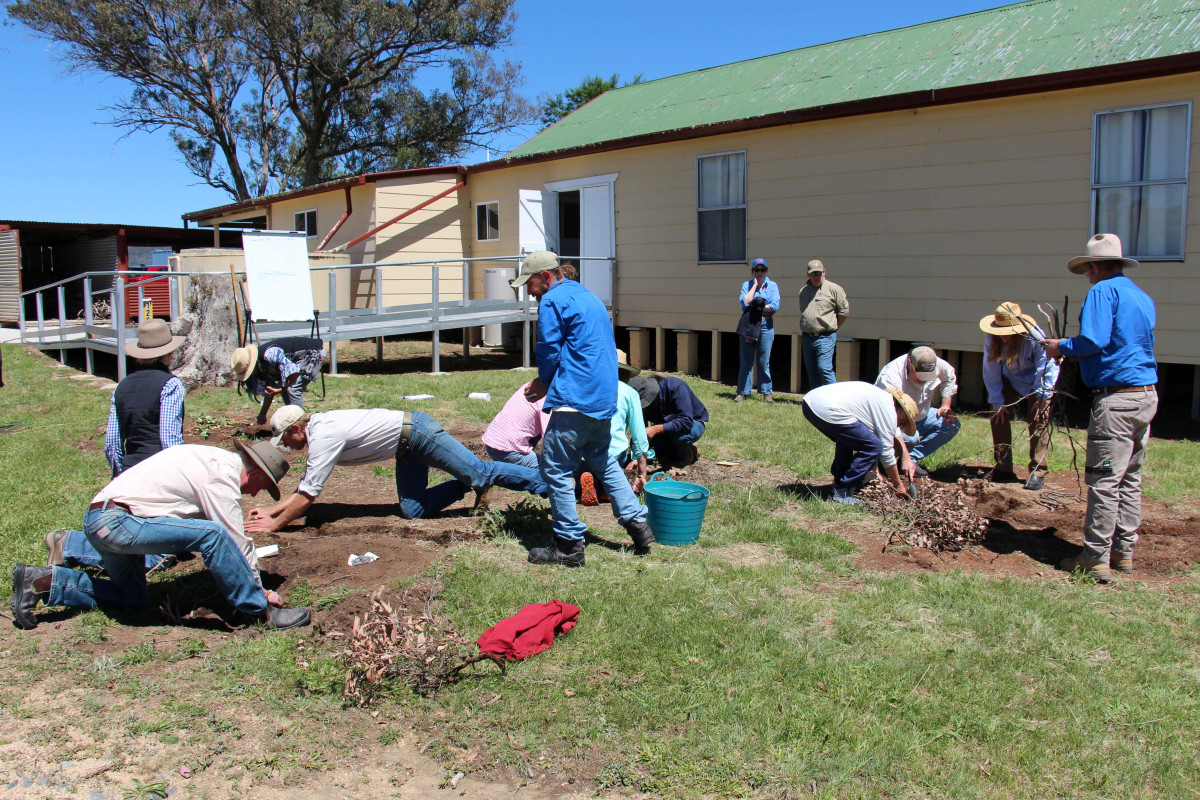
Rehydrating and Restoring the Landscape:Mulloon Institute, Northern Tablelands Local Land Services and Granite Borders Landcare walk into a bar…
The ISSUE
Like many regional communities, Granite Borders region has been impacted by a barrage of unnatural land management practices. This ... read more
Regenerative Agriculture videos
25th February 2026
Check out our series of short videos on Regenerative Agriculture - funded by the Regional NSW Bushfire Local Economic Recovery Fund; as well as the Foundation for Rural and Regional Renewal (FRRR).
Jake Smith, GBLC Committee Member
David Hardwick from Soil Land Food
Rod Dowe, ... read more
Enabling Land for Wildlife (Landcare)
30th June 2025
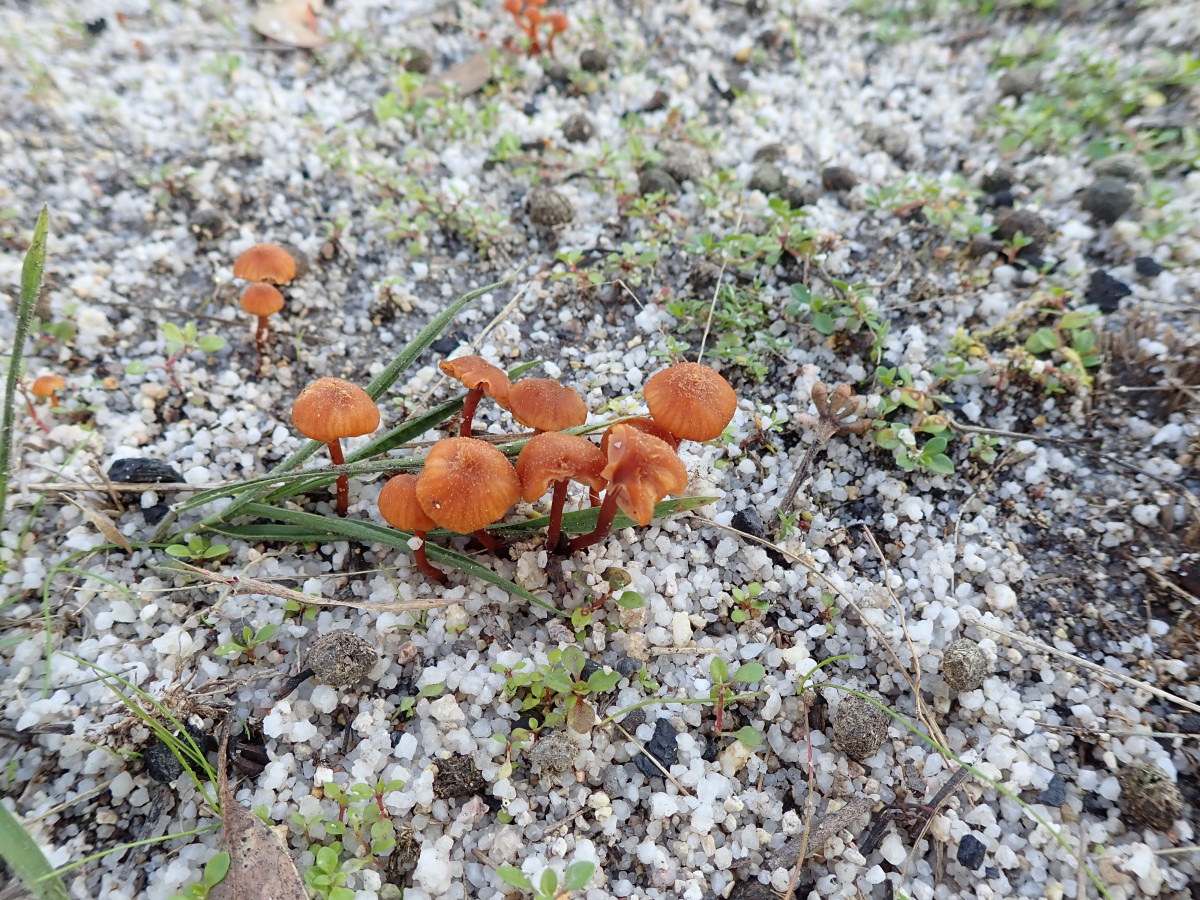
A capacity and resource building partnership
The issue
Historical over clearing, over grazing and over-application of superphosphate fertilisers across the Northern Tablelands has led not only to critical reductions in natural biodiversity but also irreversible consequences, as seen with New Engla ... read more
.webp)
Fire Ant Workshop
20th June 2024
Fire Ant biosecurity property management planning for risk reduction
The issue
Fire Ants (Solenopsis invicta) can quickly degrade the ecological, productive and lifestyle benefits of our landscape. Fire ants infest around 600,000 ha in South East Queensland, close to the NSW boarder, which poses a ... read more
Stanthorpe Eco Expo
15th October 2023
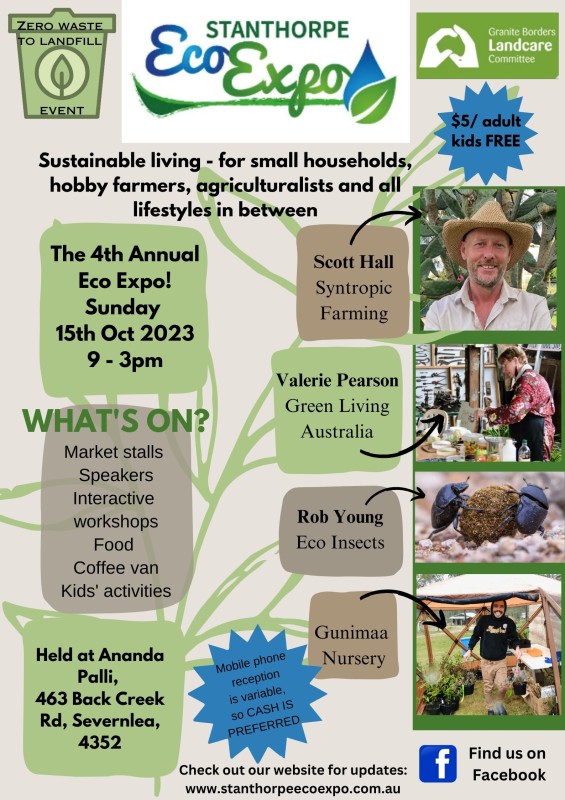
It’s on again! Stanthorpe Eco Expo (SEE) brings together experts and masters of their craft in all things ecological, organic, grassroots and sustainable.
Guest speakers include: Scott Hall (Syntropic Farming); Valerie Pearson (Green Living Australia) and Rob Young (Eco Insects). More detaile ... read more
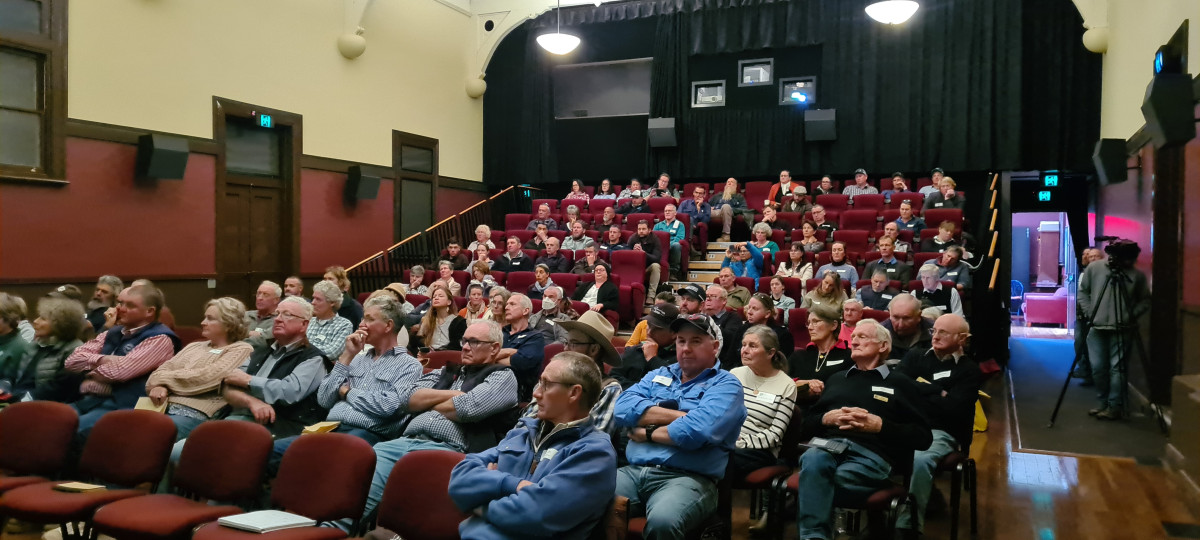
Regenerative Agriculture
28th September 2023
Regenerative Agriculture - Improves soil structure and biology, hydration, biodiversity, monitoring and managing stock
The issue
Prolonged years of drought followed by fire altered the topography, biodiversity and health of our landscape here in the New England. Investigating and educating l ... read more
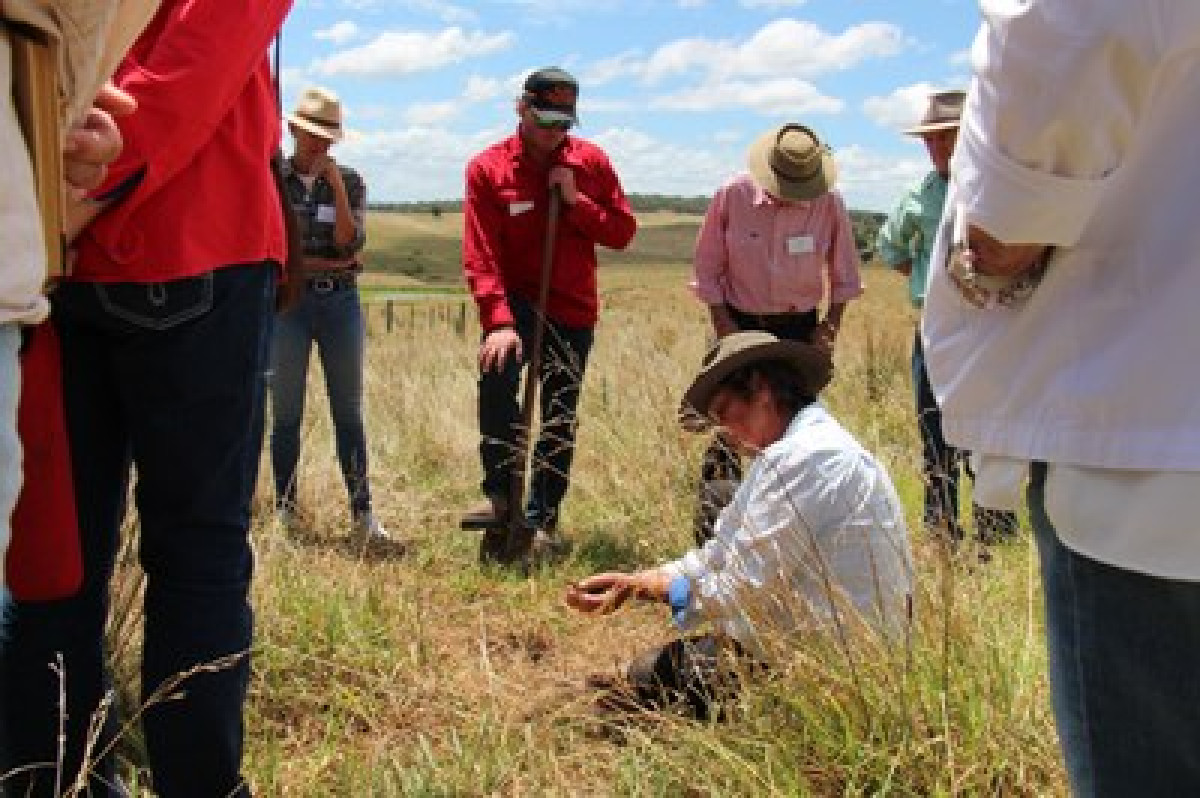
Grazing Management
19th September 2023
Ground cover equals greater biodiversity and increased biology
The issue
Years of prolonged drought and recent bushfires had impacted heavily on large areas across New England, impacting our landholders, primary producers, lifestylers and conservationists. Recent rains have assisted in rebuildin ... read more
Farming Carbon Workshop
25th August 2023
Granite Borders Landcare Committee partnered with Carbon8 to give a workshop for farmers and land-owners on farming carbon and offsetting carbon farming emissions.
The workshop day at Liston Hall was well attended, with 30 participants. One common outcome from the workshops was that participants wo ... read more
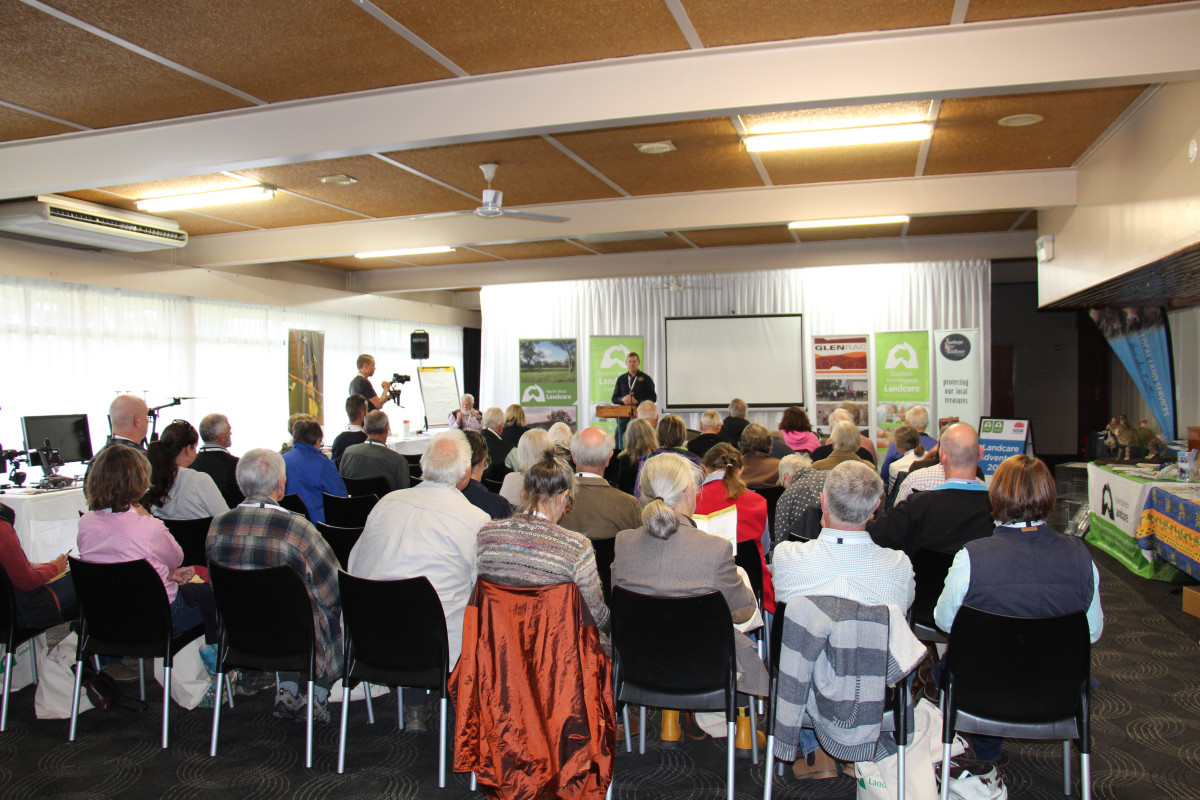
Community Engagement & Learning / Landcare Adventure
12th September 2022
Over 200 landholders, local residents and speakers gathered together to learn and connect at the recent Landcare Adventure
The issue
Tenterfield has felt isolated these last few years; suffering through drought, fire and flooding. That, combined with the long-term closure of a border less th ... read more
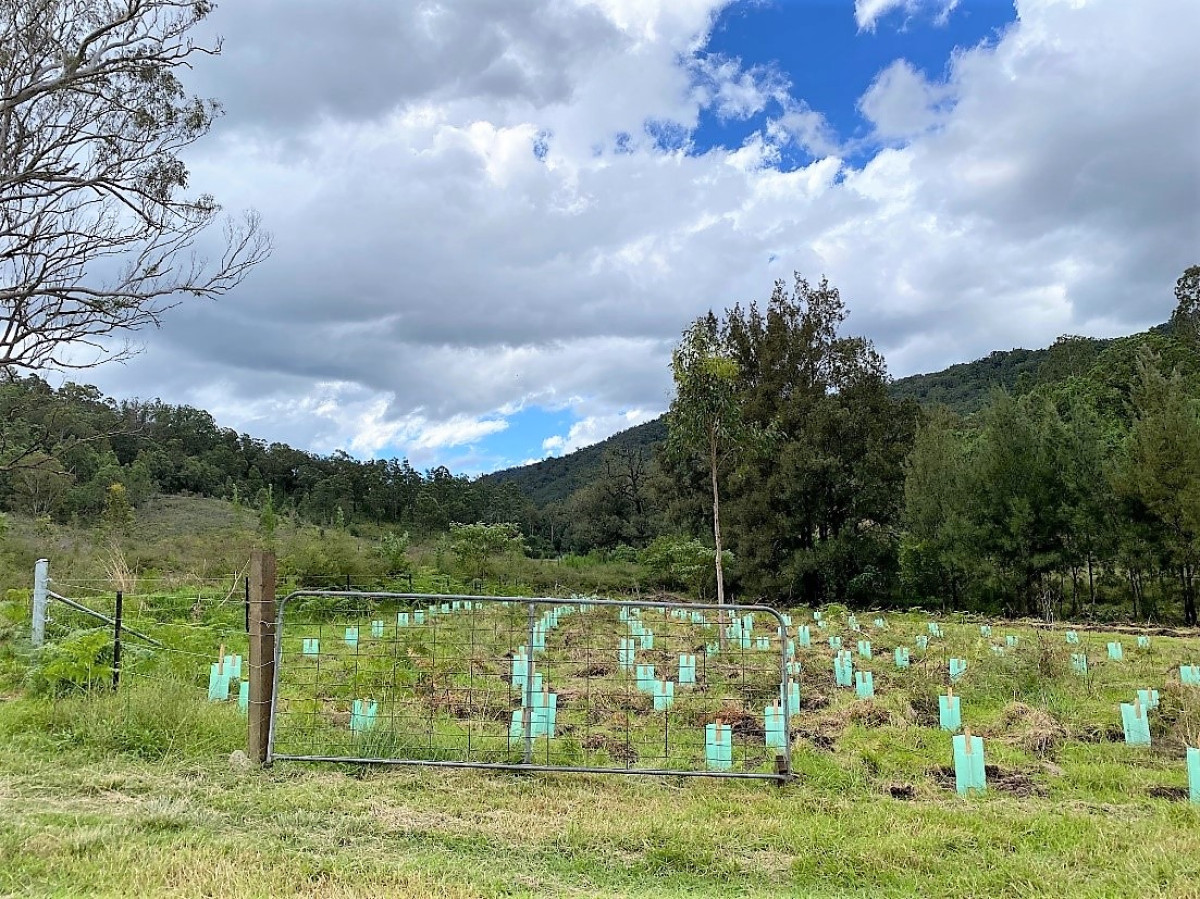
Restoring & Regenerating Koala Habitat
12th September 2022
On ground action to protect and restore priority koala habitat
The issue
By early 2020, 237,000Ha approx. 32% of our Shire's landscape had been impacted by 11 months of bushfires, decimating much of the native vegetation. This project was developed to re-establish the scarred landscape, protect ex ... read more
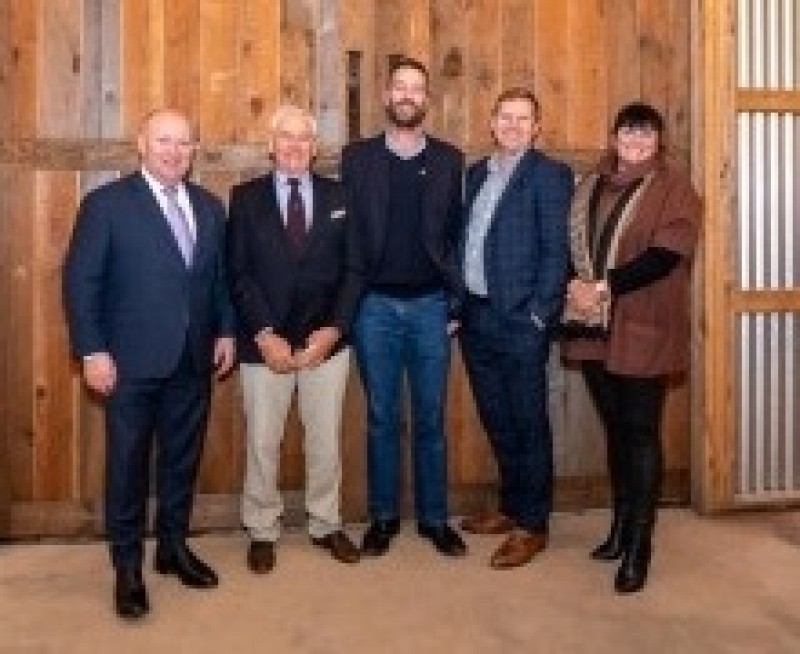
20th Anniversary (New England & Northwest Landcare - Landcare Adventure)
20th May 2022
On 20th & 21st May we hosted an incredible 2 day event - the New England and Northwest Landcare, 20th Anniversary Landcare Adventure.
A massive shout out to our panel of experts and speakers; Dr Stephen Debus, Euan Belson, Rob McCormack, Dr Sarah Mika, Candice Larkin, Paul Revie, Dr John Hunt ... read more
_c.webp)
BIRDING ROUTES AROUND MINGOOLA
26th April 2022
Welcome to Mingoola, a pastoral border region situated on the western slopes at the base of the Great Dividing Range, halfway between Tenterfield, NSW and Texas, QLD.
This handy pocket-sized, brochure, authored by Janet White with graphic design by Kerry Hardy (BlackSheep Studio) and many of the ph ... read more

Landcare Adventure 2022
24th February 2022
Commencing 10:00am, 20th May at the Tenterfield Golf Club this 2-day event showcases Tenterfield and the resilience and recovery efforts across our State; particularly within our region. We will hear from experts including leading ecologists and a host of special guests fro ... read more
.webp)
BirdLife Australia
17th January 2022
BirdLife Australia is a relatively recent name change for our organisation. It is the result of the merger of Birds Australia and Bird Observation & Conservation Australia (BOCA). For more than 100 years, Birds Australia and BOCA have been powerful advocates for native birds and the ... read more
.webp)
Australian Conservation Foundation
6th January 2022
ACF is Australia's national environment organisation. We are 700,000 people who speak out for the air we breathe, the water we drink, and the places and wildlife we love. We are proudly independent, non-partisan and funded by donations from our community.
Australian Conservation Foundation
... read more

NSW Landcare and Local Land Services Conference 2022
6th January 2022
Landcarers from around the state will converge on the far north coast community of Tweed Heads in 2022 for the NSW Landcare and Local Land Services conference ‘Rethink, Renew, Recharge’.
The 2022 NSW Landcare and Local Land Services Conference will take place from the 15-17 March a ... read more

Australian Government - Department of Agriculture, Water and the Environment
5th January 2022
Enhancing Australia’s agriculture, environment, heritage and water resources through regulation and partnership.
We protect Australia’s natural resources and help develop strong agricultural industries. We work with others to ensure our land, water and heritage are well-managed, protect ... read more
.webp)
Greening Australia
5th January 2022
Our Vision: Healthy, productive landscapes where people and nature thrive
We are an environmental enterprise that thinks big to tackle the challenges facing Australia’s unique and diverse landscapes in ways that work for communities, economies and nature.
Greening Australia
... read more
.webp)
Land for Wildlife NSW
5th January 2022
If you would like to conserve your property's special features, but don't want to sign a legal agreement, you can join the Land for Wildlife Scheme.
Significant natural and cultural features of the environment exist across the whole landscape. Joining Land for Wildlife is one way you can help conse ... read more

Landcare - New South Wales
5th January 2022
Landcare NSW is the peak representative body for the community Landcare movement in NSW.
The Landcare movement is a community-based approach to managing and protecting our natural resources – creating more productive and sustainable farms, conserving our environment, and building more cohesiv ... read more
__national_landcare_program_(logo).webp)
National Landcare Program (Australian Government)
5th January 2022
The National Landcare Program is a key part of the Australian Government’s commitment to protect and conserve Australia’s water, soil, plants, animals and ecosystems, as well as support the productive and sustainable use of these valuable resources.
National Landcare Program (Australi ... read more
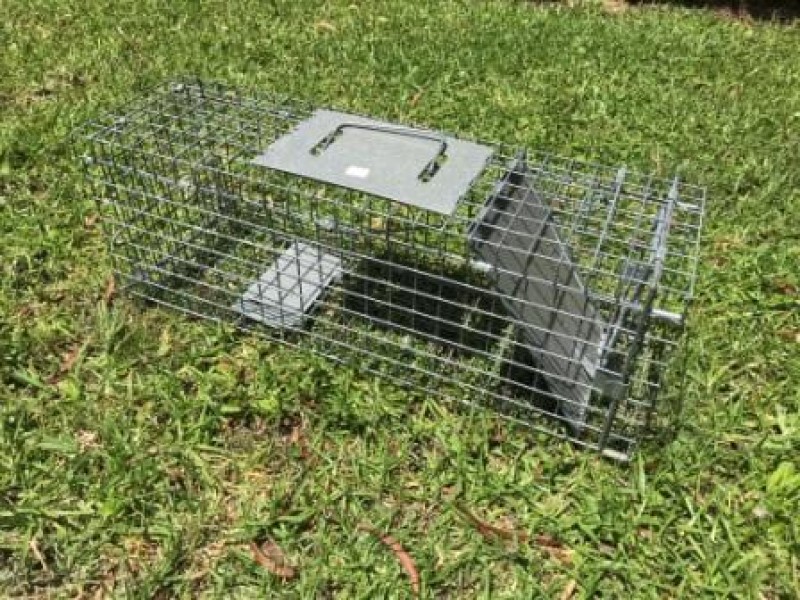
Rabbit Trap
4th January 2022
It takes less than one rabbit per hectare to prevent the successful regeneration of many of our common native trees and shrubs. This means that many rabbit-infested patches of remnant native vegetation can't sustain themselves naturally and are therefore in slow decline - but unfortunately thi ... read more
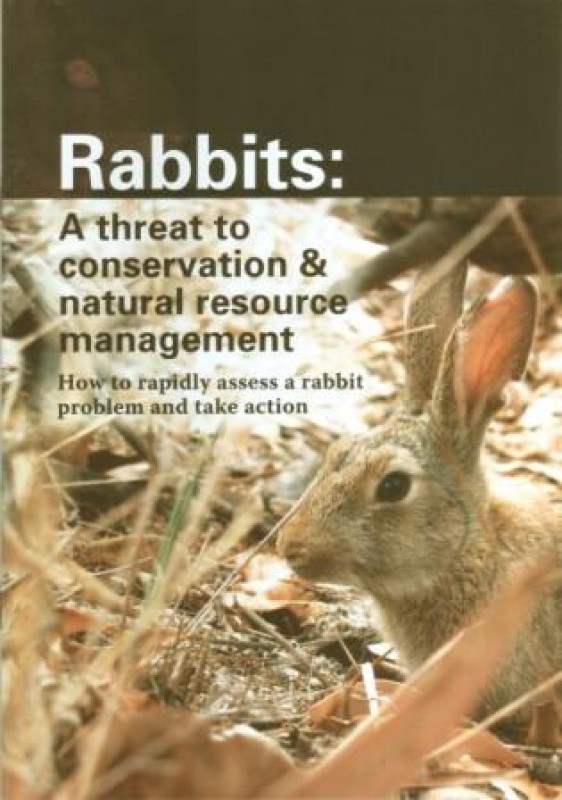
Rabbits: A threat to conservation & natural resource management
4th January 2022
It takes less than one rabbit per hectare to prevent the successful regeneration of many of our common native trees and shrubs. This means that many rabbit-infested patches of remnant native vegetation can't sustain themselves naturally and are therefore in slow decline - but unfortunately thi ... read more
.webp)
Border Landcare Organic Group - Fact Sheet 3 - Plant Protection
30th November 2021
Plant protection is all about managing your whole farm in such a way that the likelihood of pest and disease occurrence is reduced.
Pest damage has impacts on yields and inputs, both time and money. Increasing chemical resistance, rising costs, growing concerns in the market place over residu ... read more
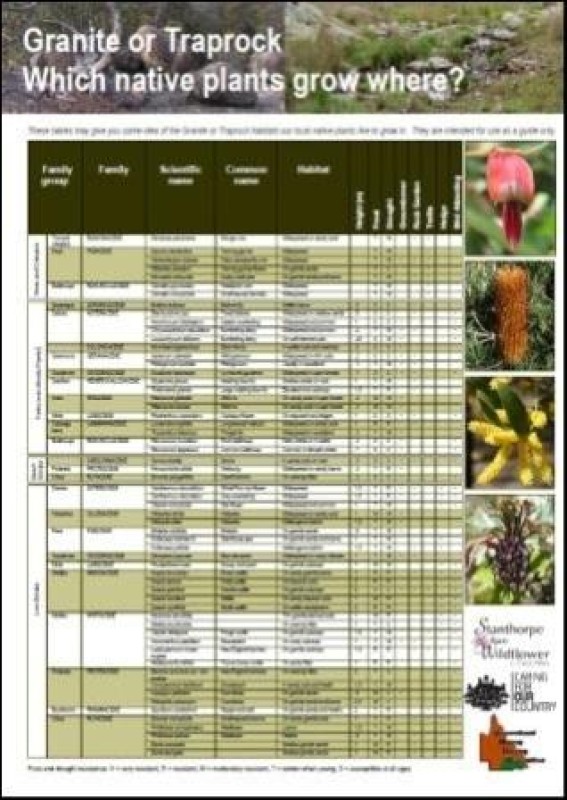
SRWC - Which Native Plants Grow Where?
30th November 2021
This two page table is intended to give you some idea of the Granite or Traprock habitats in which our local native plants like to grow. It should be viewed as a guide only.
Free to download: ... read more
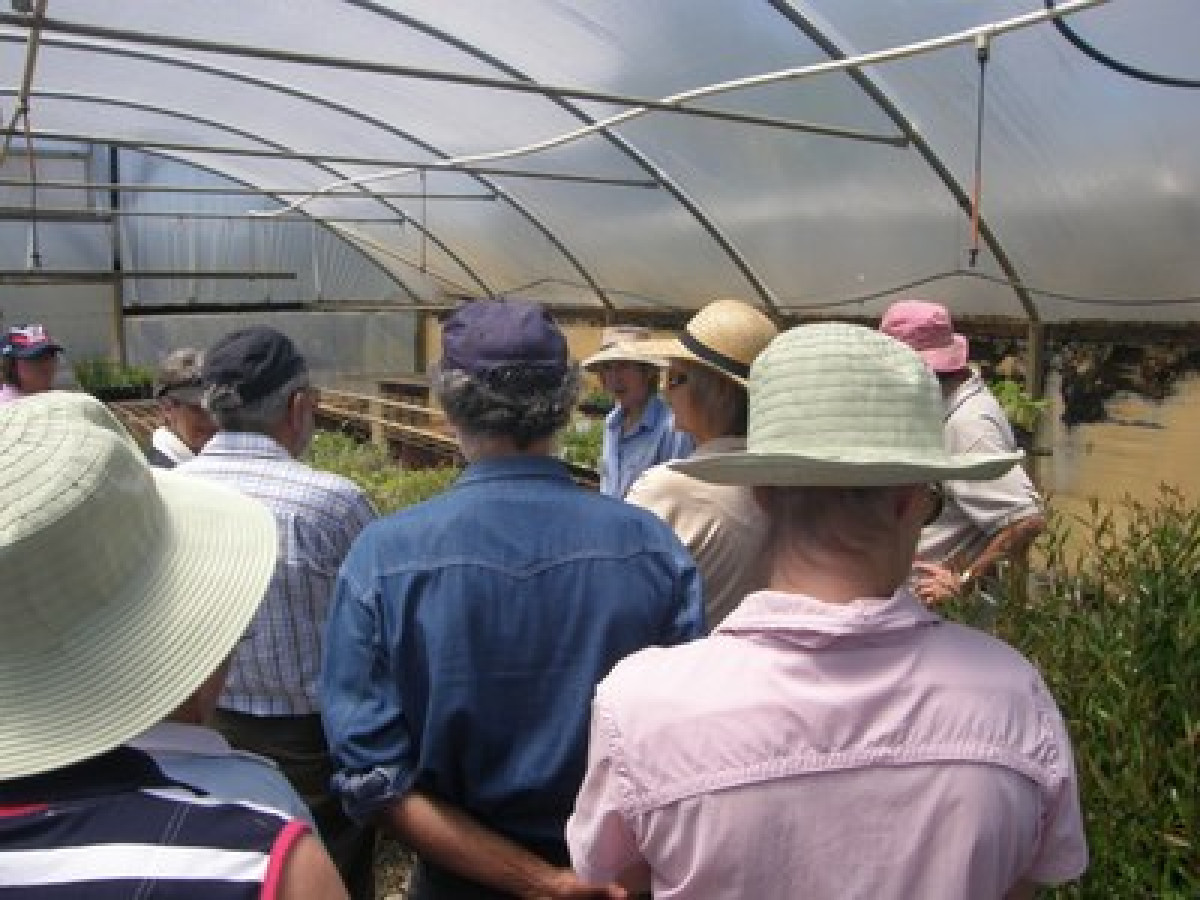
How to Propagate your own native plants
6th July 2021
Production of a short film and fact sheet on native seed collection and propagation by seed, grafting and cuttings.
The issue
Granite Borders Landcare often has people asking for information on native trees and shrubs and what is the best methods to grow them. Native trees and shrubs ... read more
_c.webp)
Bird Watching in and around Tenterfield
1st July 2020
The beautiful and diverse Shire of Tenterfield is a haven for birdlife with more than 230 species of native birds having been recorded. The Shire straddles the Great Dividing Range with elevations ranging from 115m on the Clarence River to 1491m atop Big Mount Spirabo, creating many different ... read more
.webp)
Wattles of the Granite Belt & surrounds
1st July 2020
The arresting golds and yellows of wattle blooms bring pleasure over winter and spring on the Granite Belt. Here, wattles are plentiful and diverse. The region is part of what is known as the MacPherson-Macleay overlap, one of three primary centres of wattle species richness in Australia ... read more
.webp)
Eucalypts of the Granite Belt (3rd Edition)
1st June 2020
This is the first of a series of companion books to the comprehensive Flora of the Granite Belt published by the Stanthorpe Rare Wildflower Consortium in 2018.
Published in 2020, this book of 221 pages describes 33 Eucalypts, two Angophora and one Corymbia found in the region. Full of colour ... read more
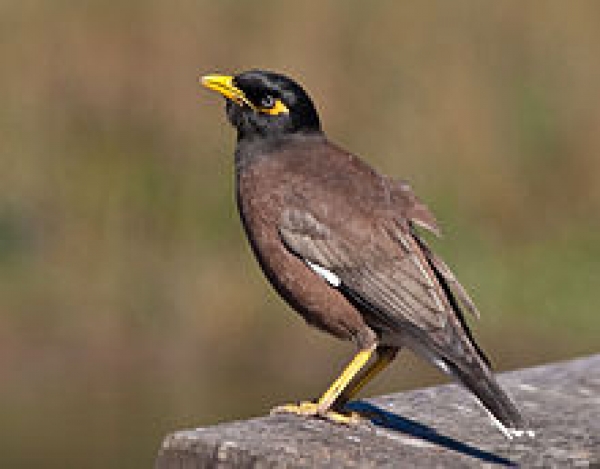
Indian Myna Birds - A threat for biodiversity.
22nd October 2019
The Indian Myna bird is a highly successful coloniser and was first introduced to Australia in 1862 to Melbourne as a means of controlling garden insect pests. Since that time the population has spread to be the pre dominant bird in major cities on the east coast and spreading west into rural areas. ... read more
_c.webp)
A Guide to Identifying the Critically Endangered - REGENT HONEYEATER
1st July 2019
This double, trifold brochure is the ideal 'carry-with-you' companion to "Saving the REGENT HONEYEATER - A Conservation and Management Guide".
I has a brief Introduction to the Regent Honeyeater along with Habitat, Population Decline, Common Misidentifications, How to find a REGENT, Colour Banding, ... read more
_(f_cover)_c.webp)
Saving the REGENT HONEYEATER - A Conservation and Management Guide
1st July 2019
The Regent Honeyeater is a striking black and yellow bird endemic to mainland south-eastern Australia. Its scientific name – Anthochaera Phrygia – means ‘embroidered flower-fancier’, and its beautifully patterned plumage certainly lives up to this name.
This A4 size, 3 ... read more
_c.webp)
Flora of the Granite Belt
1st July 2018
The first Europeans to traverse the Granite Belt area included explorer Allan Cunningham and his party. Cunningham was not only an explorer, but also a noted botanist.
His diary entry written in the area between Mt Norman and Bald Rock records:
“With large detached masses of granite, o ... read more
Dung Beetles with Dr Mahri Koch
12th August 2017
Information Session with Dr Mahri Koch
Dung Beetles
Time: 9:30am - 12:30pm
Venue: Granite Borders Landcare office, 45 Martin Street, Tenterfield
Cost: FREE!
Morning Tea on Arrival
Topics Covered:
What Is A Dung Beetle & Where Can They Be Found?
How To Tell If You Have ... read more
UPCOMING EVENTS IN 2017
18th February 2017
MARCH 2017
Sat 4th - Lantana Information & Control Methods (Rivertree) click here
Sun 5th - Rainforest Species Identification with Bill MacDonald (Drake) click here
Wed 8th - POSTPONED Dung Beetle Benefits & Identification (Tenterfield)
Wed 8th - The Gutman Returns - Don Chisholm "Bre ... read more
_c.webp)
Woodland Birds of south-east Australia - Identification booklet
1st July 2015
Woodland habitats are rich areas supporting a diverse set of bird species with over 33% of Australia’s land bird species associated with these areas. The high profile Swift Parrot and Regent Honeyeater are just two of these species that depend on woodland areas.
This 68 page, pocket siz ... read more
_c.webp)
Wildflowers of the Granite Belt, 3rd Edition (Rare Wildflower Consortium, Stanthorpe)
1st July 2014
Wildflowers of the Granite Belt, is a photographic guide to some of the diverse wildflower species you may encounter in the Granite Belt region. This 3rd Edition, published by the Rare Wildflower Consortium, Stanthorpe, it is a 48 page booklet with over 320 colour photographs covering a divers ... read more
.webp)
PESTSMART, Fact Sheet - Indian Myna
1st February 2014
Common or Indian mynas are native to India and southern Asia. They are popular birds in their source countries as crop pest control agents and as symbols of undying love associated with their habit of pairing for life.
Common mynas are now widespread throughout eastern Australia from western Victor ... read more
_c.webp)
Dung Beetle Dictionary - A Field Guide to Introduced Dung Beetles in Australia - 2nd Edition
1st July 2013
Australia has its own unique, native dung beetle fauna ideally adapted to feeding on the dry fibrous pellets of marsupials found in forest and woodland habitats. Few native species have any impact on the dispersal of cattle dung in paddocks. Unburied, this cattle dung fouls pastures, loc ... read more
Bee Friendly - A planting guide for European honeybees and Australian native pollinators.
1st December 2012
This 320 page publication prepared by Mark Leech is intended for general use to assist public knowledge and discussion and to help improve the development of sustainable regions.
The Australian honeybee industry provides essential benefits to the agricultural and horticultural sector through manage ... read more
.webp)
PESTSMART, Fact Sheet - Cane toad
1st March 2012
The cane toad is native to Central and South America and is a member of the ‘true toads’ (family Bufonidae)1. Cane toads have dry, yellow-brown, warty skin and large distinctive lumps (known as parotoid glands) behind the head. Cane toads naturally generate potent toxins (bufodienolides) ... read more
.webp)
Wildflowers of the Granite Belt (Rare Wildflower Consortium, Stanthorpe)
1st July 2007
Wildflowers of the Granite Belt, is a photographic guide to some of the diverse wildflower species you may encounter in the Granite Belt region. Published by the Rare Wildflower Consortium, Stanthorpe, it is a 20 page booklet with over 180 colour photographs covering a diverse range of plant f ... read more
_c.webp)
Fire in the NSW environment
1st June 2007
South-eastern Australia's climate and vast areas of forest and grasslands make it one of the most bushfire-prone regions on the earth. The rapid increase in population of NSW over the last two centuries has changed the landscape for fire. Deliberately or accidentally, people start many m ... read more
_c.webp)
Common dung beetles in pastures of south-eastern Australia
1st July 2001
When Europeans created open pastures and introduced cattle, sheep and horses into Australia, they produced a new environment which few native dung insects were able to use. In particular the soft, moist dung pads of cattle were quite different to the fibrous, pellet-like droppings of native ma ... read more