
Resources Search
Please enter your search term below or click one of the topic tags to view all resources on that topic.
Browse by topic
Agriculture (43 resources)Biodiversity (48 resources)Biosecurity (17 resources)Birds (13 resources)Bushfire (12 resources)Community (55 resources)Drought and Climate (11 resources)Grants and Funding (12 resources)Habitat Restoration (18 resources)Koalas (3 resources)Landcare Projects (44 resources)Landholder Resources (70 resources)Landscape Rehydration (3 resources)Native Plants (22 resources)Pest Animals (21 resources)Pollinators (3 resources)Regenerative Agriculture (16 resources)Revegetation (13 resources)Soil Health (20 resources)Water Management (14 resources)Weeds (9 resources)Wildlife (25 resources)
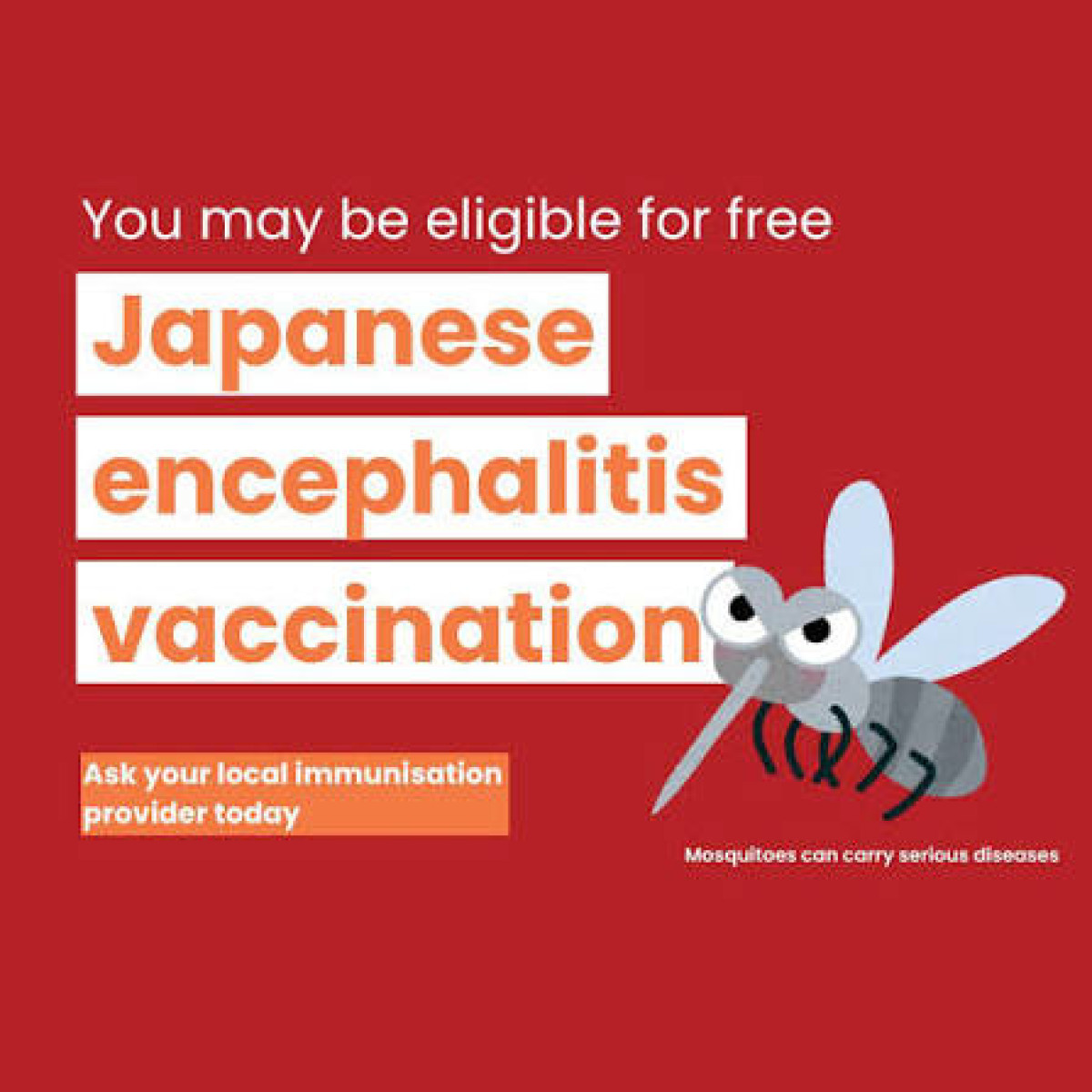
FREE Japanese Encephalitis Vaccine - Is it right for you?
5th August 2026
As we prepare for another mosquito season, NSW Health is encouraging eligible people living, working and volunteering in high-risk areas to consider receiving the free Japanese encephalitis (JE) vaccine.
Japanese encephalitis is a rare but potentially serious viral disease spread by infected mosqui ... read more
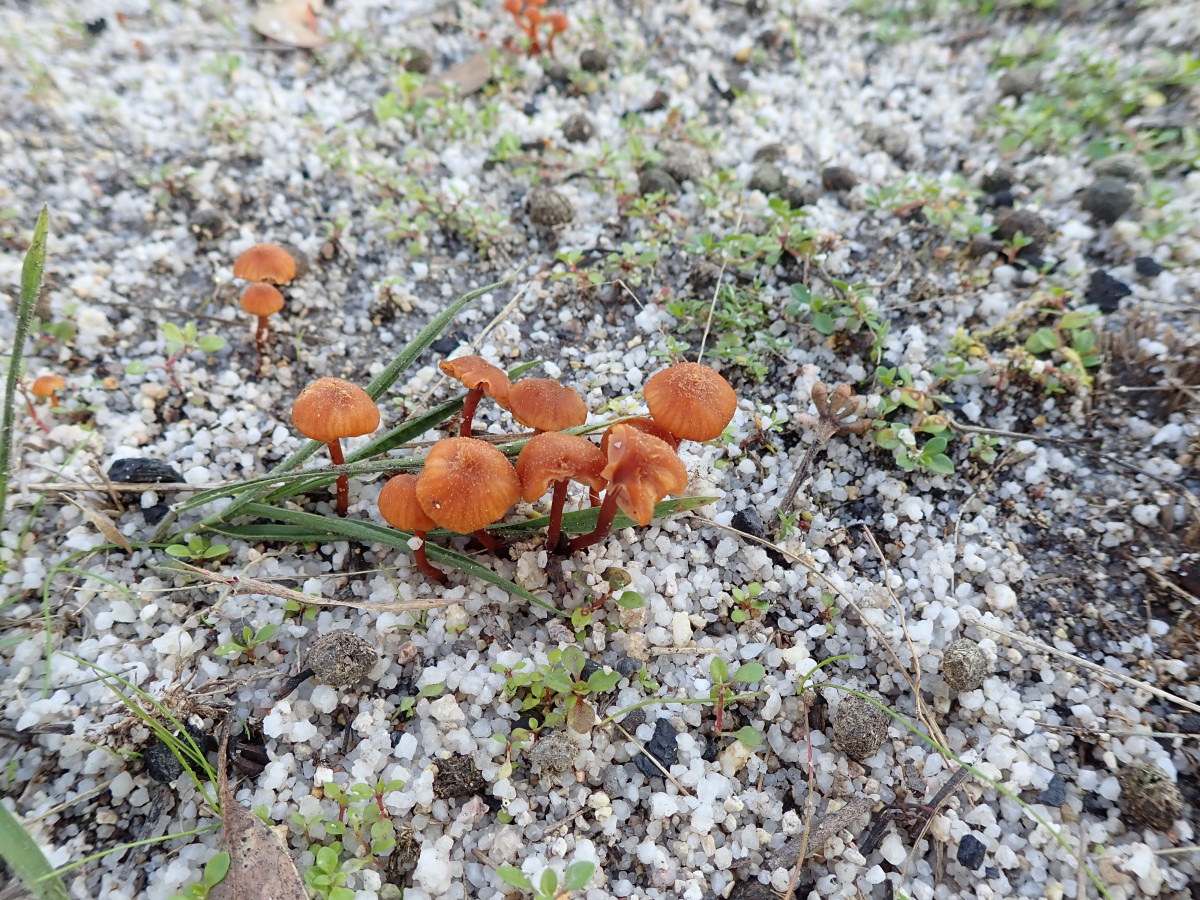
Enabling Land for Wildlife (Landcare)
30th June 2025
A capacity and resource building partnership
The issue
Historical over clearing, over grazing and over-application of superphosphate fertilisers across the Northern Tablelands has led not only to critical reductions in natural biodiversity but also irreversible consequences, as seen with New Engla ... read more
.webp)
Fire Ants - Report to Parliamentary Friends of Landcare
11th November 2024
This poster was presented at the NSW Parliamentary Friends of Landcare in 2024. It is based on a workshop funded by the People Led Prevention Project, Landcare NSW and the NSW Reconstruction Authority, to raise awareness of Fire Ant threats, Biosecurity measures, identification and property planning ... read more
.webp)
Fire Ant Workshop
20th June 2024
Fire Ant biosecurity property management planning for risk reduction
The issue
Fire Ants (Solenopsis invicta) can quickly degrade the ecological, productive and lifestyle benefits of our landscape. Fire ants infest around 600,000 ha in South East Queensland, close to the NSW boarder, which poses a ... read more
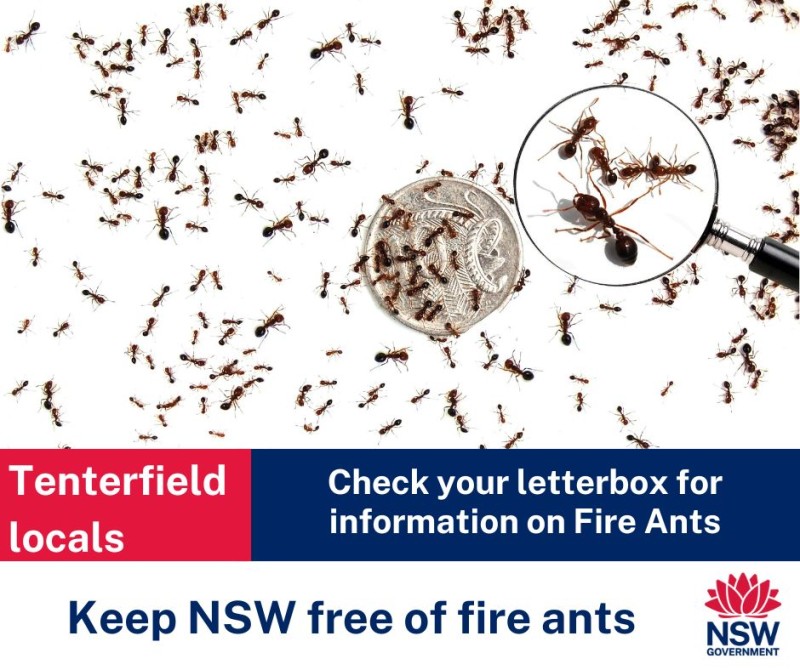
Fire Ant Alert
10th December 2023
Fire Ants UPDATE:
Fire ants infest around 600,000 ha in South East Queensland, close to the NSW boarder which poses an ongoing risk of new infestations in NSW. Most of NSW has been free of fire ants. A recent new infestation in South Murwillumbah is currently being treated, with the goal of era ... read more
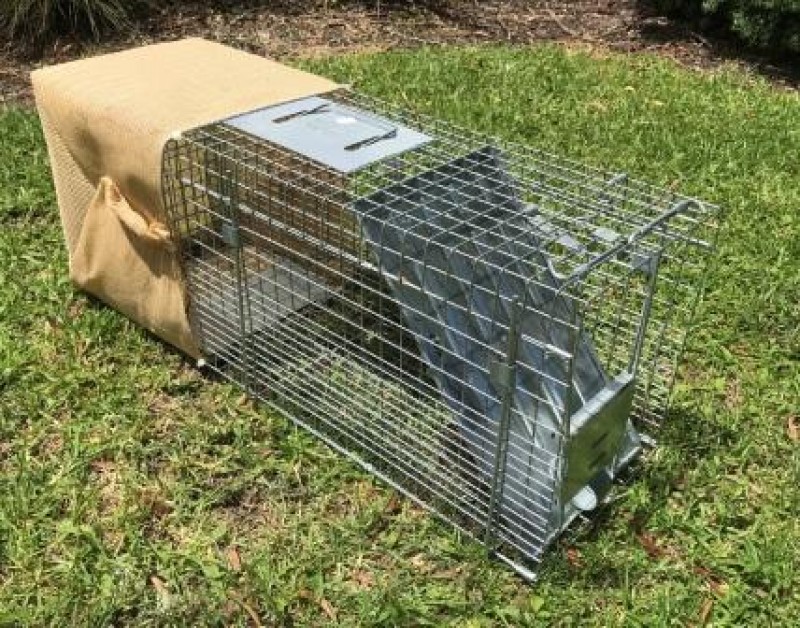
Feral Cat Trap
4th January 2022
Feral cats live, hunt and reproduce in the wild. They are the same species as domestic cats but differ in how and where they live rather than any true biological differences. Feral cats have the body shape, acute senses and fine coordination perfectly suited for stalking and capturing pr ... read more
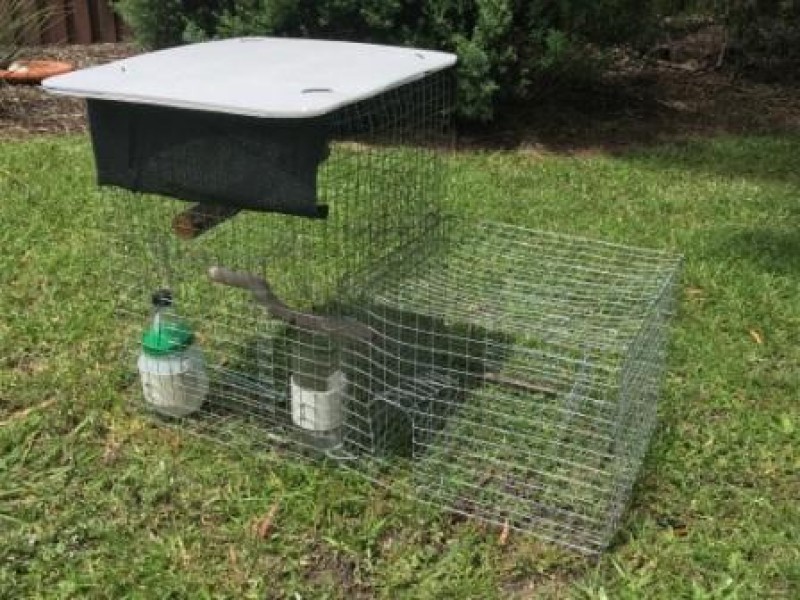
Indian Myna Traps
4th January 2022
Indian Mynas were introduced into Australia in the 1860's in an attempt to control insects in Melbourne market gardens. Originally widespread in South Asia, they have now become established over most of Eastern Australia and are spreading, with recent sightings in Darwin, Perth and Adelaide.
... read more
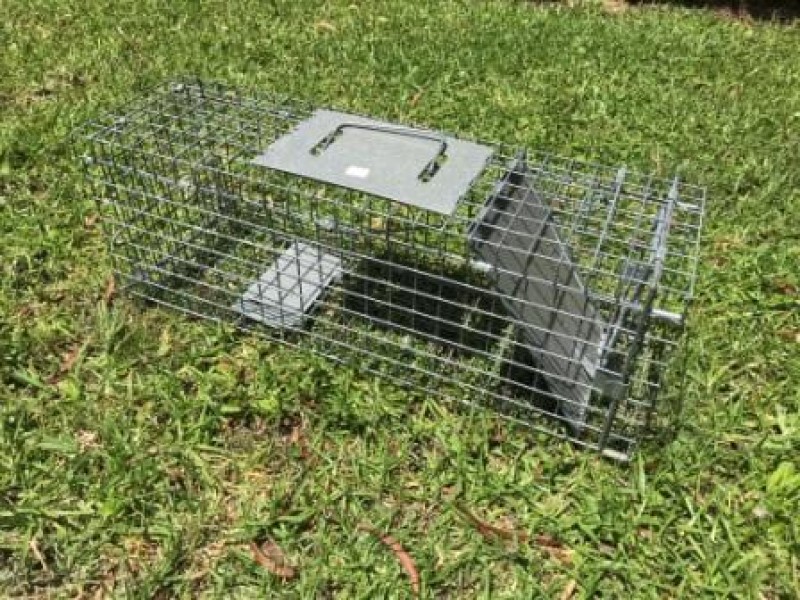
Rabbit Trap
4th January 2022
It takes less than one rabbit per hectare to prevent the successful regeneration of many of our common native trees and shrubs. This means that many rabbit-infested patches of remnant native vegetation can't sustain themselves naturally and are therefore in slow decline - but unfortunately thi ... read more
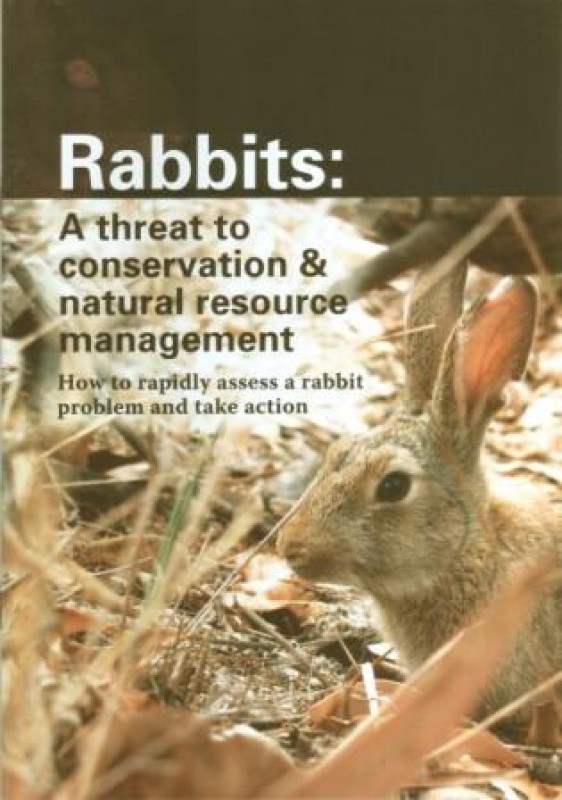
Rabbits: A threat to conservation & natural resource management
4th January 2022
It takes less than one rabbit per hectare to prevent the successful regeneration of many of our common native trees and shrubs. This means that many rabbit-infested patches of remnant native vegetation can't sustain themselves naturally and are therefore in slow decline - but unfortunately thi ... read more
Indian Myna Birds - A threat for biodiversity.
22nd October 2019
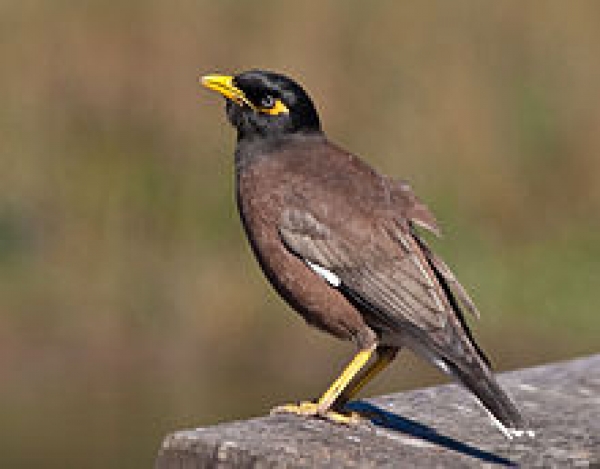
The Indian Myna bird is a highly successful coloniser and was first introduced to Australia in 1862 to Melbourne as a means of controlling garden insect pests. Since that time the population has spread to be the pre dominant bird in major cities on the east coast and spreading west into rural areas. ... read more
_c.webp)
NSW LLS, Fact Sheet - Wild deer on the Northern Tablelands
1st July 2019
Wild deer are priority pests across NSW because of their significant impact on landholders and the environment.
Six introduced deer species have established populations in NSW with expanding ranges.
There are no restrictions for you as a landholder to control deer on your property.
This Fact Shee ... read more

Community Grants
4th September 2018
Granite Borders Landcare received $7,350 for the purchase of 23 remote sensor cameras for the Goomburra and Karara/Gore Wild Dog Control Groups. This project has been assisted by Grants to Community Funding from the Southern Downs Regional Council. ... read more
UPCOMING EVENTS IN 2017
18th February 2017
MARCH 2017
Sat 4th - Lantana Information & Control Methods (Rivertree) click here
Sun 5th - Rainforest Species Identification with Bill MacDonald (Drake) click here
Wed 8th - POSTPONED Dung Beetle Benefits & Identification (Tenterfield)
Wed 8th - The Gutman Returns - Don Chisholm "Bre ... read more
.webp)
PESTSMART, Fact Sheet - Indian Myna
1st February 2014
Common or Indian mynas are native to India and southern Asia. They are popular birds in their source countries as crop pest control agents and as symbols of undying love associated with their habit of pairing for life.
Common mynas are now widespread throughout eastern Australia from western Victor ... read more
.webp)
PESTSMART, Fact Sheet - Have you got wild dogs?
1st March 2012
It is common for wild dogs to be present in an area but go unnoticed or unrecognised. No matter what colour a free-roaming dog is, if it is not your dog it should be considered a wild dog. There are several indicators that suggest that wild dogs might be present in an area. Read th ... read more
.webp)
PESTSMART, Fact Sheet - Cane toad
1st March 2012
The cane toad is native to Central and South America and is a member of the ‘true toads’ (family Bufonidae)1. Cane toads have dry, yellow-brown, warty skin and large distinctive lumps (known as parotoid glands) behind the head. Cane toads naturally generate potent toxins (bufodienolides) ... read more
_c.webp)
Pestsmart Fact Sheet - Feral Pig
1st August 2011
Feral pigs in Australia descend from domestic swine, but look more similar to Eurasia’s wild boar than their domestic counterparts. They tend to have sparse, coarse hair on lean and muscular frames, well-developed necks and shoulders that taper to short hindquarters. Colouration is predominant ... read more
.webp)
PESTSMART, Fact Sheet - Feral cat
1st May 2011
Feral cats live, hunt and reproduce in the wild. They are the same species as domestic cats but differ in how and where they live rather than any true biological differences. Feral cats have the body shape, acute senses and fine coordination perfectly suited for stalking and capturing pr ... read more
.webp)
PESTSMART, Fact Sheet - European Red Fox
1st January 2011
Although 3 colour morphs (red, silver or black and cross) are generally recognised worldwide, the red morph is most common in Australia. In general, throat and abdomen are white, lower legs and ears are black and a bushy tail is tipped in white. This animal exhibits a wide geographic and ... read more
_c.webp)
TENTERFIELD PARK - A community based regeneration project
1st July 2010
Transformed from a weed and rabbit infested, degraded landscape to an evolving native environment, Tenterfield Park is on its way to displaying a wide range of ecological communities indigenous to the Northern New England Region.
This brochure gives a quick overview of the park, its history, and ho ... read more
_c.webp)
A Resource Kit for Rural Landholders (on the Northern Tablelands of NSW)
1st July 2009
If you are new to, or contemplating, a rural lifestyle on the NSW Northern Tablelands and maybe thinking of keeping a few farm animals, then this Resource Kit will have something of interest for you. It covers topics such as Buying rural land, Natural resources, Land uses, Pests and weeds, and ... read more